
Contents
- What did IMEX America 2026 report?
- How does the hosted buyer model work here?
- What did destinations report from the show?
- What do 96,000 meetings measure, and what do they not?
- What else did the show announce?
- What is the wider context for business events?
- What does it mean for the sector?
- What is my reading of the results?
- What does this commentary cover?
- What to watch next
- Analysis result
- Frequently asked questions
- Sources
IMEX reported more than 17,800 participants at IMEX America 2026 at Mandalay Bay, Las Vegas, including over 6,000 buyers, 4,800 of them hosted. It counted 96,000 scheduled meetings, 82,000 of them one to one. The figures are organizer reported and not independently audited. The 2027 show runs 28 to 30 September.
For three days in October 2026, buyers and exhibitors at Mandalay Bay in Las Vegas moved between scheduled appointments on the IMEX America show floor. IMEX later counted 96,000 scheduled meetings, which it described as 48,000 hours of business, or more than five years of meetings in three days [1]. It also called this its biggest edition yet [1]. Those are organizer figures, and the useful question for planners is what they measure.

What did IMEX America 2026 report?
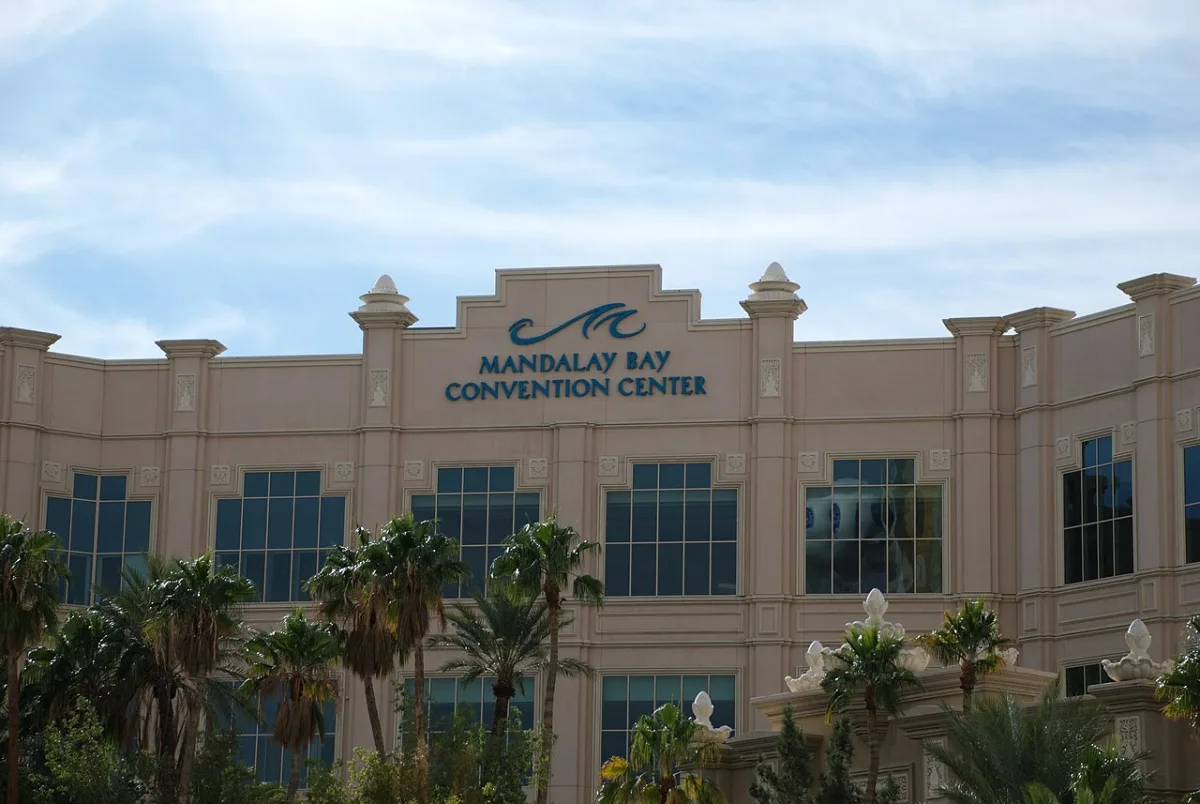
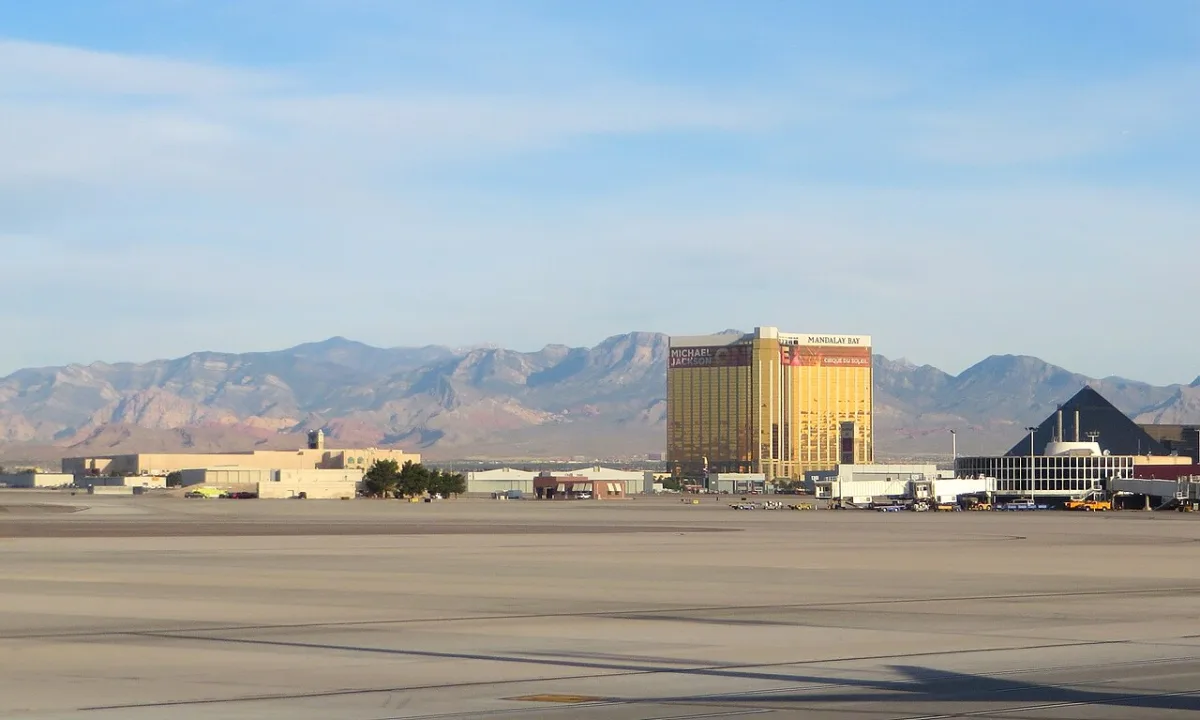
IMEX reported more than 17,800 participants at the 15th edition of IMEX America, held at Mandalay Bay in Las Vegas [1]. They included over 6,000 buyers, 4,800 of whom were hosted [1]. The 96,000 scheduled meetings included 82,000 one to one meetings and 14,000 group and booth presentations [1]. The show ran from 13 to 15 October 2026 [2][3].
A year earlier, IMEX reported over 17,000 participants, 6,000 buyers including 4,700 hosted buyers, and over 90,000 scheduled meetings, of which over 77,000 were pre scheduled one to ones [2]. On those figures, meetings grew faster than attendance. My calculation puts scheduled meetings up about 6.7% and participants up about 4.7%, although several 2025 figures were published as minimums, so the changes are approximate.
Meetings grew faster than attendance
Unit: percentage change, my calculation from figures published by IMEX for 2025 and 2026. Several 2025 figures were given as minimums, so the changes are approximate. Organizer figures, not audited.
The release does not mention an independent audit of attendance [1]. That is common for trade show releases, but it means the figures are comparable only with other IMEX figures, and only with care. The 2025 release also said IMEX had signed contracts with MGM to host the show at Mandalay Bay through 2030 [2].
How does the hosted buyer model work here?
In a hosted buyer model, the organizer covers some travel and accommodation costs for qualified buyers in exchange for a programme of scheduled appointments with exhibitors. The model is explained in more detail in the hosted buyer program guide. At IMEX America 2026, 4,800 of the over 6,000 buyers were hosted, which is about four in five by my calculation from the IMEX figures [1].
The ratio of meetings to buyers shows how the model is used. With 96,000 scheduled meetings and over 6,000 buyers, each buyer had on average about 16 scheduled meetings over three days, again by my calculation [1]. That average hides wide differences, because group and booth presentations count once per session rather than once per buyer. It is still a useful sign that the show is built around appointments rather than walk in traffic.
IMEX Frankfurt, the sister show in Europe, reported 13,515 participants, 4,739 buyers from 94 countries and 3,731 hosted buyers in May 2026 [3]. It counted 73,000 meetings, an 8% increase on the previous year, and said 68% of buyers were from agencies, 16% corporate and 10% association planners [3]. The two shows use the same model but serve different buyer markets.
| Measure | IMEX Frankfurt, 19 to 21 May | IMEX America, 13 to 15 October |
|---|---|---|
| Participants | 13,515 | More than 17,800 |
| Buyers | 4,739 from 94 countries | Over 6,000 |
| Hosted buyers | 3,731 | 4,800 |
| Meetings | 73,000, up 8% year on year | 96,000 scheduled, including 82,000 one to one |
| Venue | Messe Frankfurt | Mandalay Bay, Las Vegas |

What did destinations report from the show?
The IMEX release quoted two destinations. Tourisme Montréal reported receiving two association requests for proposals: a medical congress for 1,500 attendees in July 2030, and a credit management congress and expo for up to 1,700 attendees in May 2030 [1]. These are leads with a four year horizon, not confirmed business. They show the long sales cycle of association congresses, which is a theme in what a convention bureau does.
Discover Puerto Rico described a longer chain. It first met a music led experience company at IMEX America 2024 to discuss hotel room blocks for a major artist, and the result was Bad Bunny’s 2025 residency of 31 concerts with 48,255 room nights [1]. In a separate release, Discover Puerto Rico said the economic impact of the residency was estimated between $200 million and $700 million, depending on the methodology used [5]. The width of that range is a reminder that impact estimates depend on method, and that a room night figure is easier to check than a total impact figure.
| Destination | What was reported | Type of figure |
|---|---|---|
| Tourisme Montréal | Two association requests for proposals: a medical congress for 1,500 attendees in July 2030, and a congress and expo for up to 1,700 in May 2030 | Leads, not confirmed business |
| Discover Puerto Rico | A 2024 IMEX meeting led to the 2025 Bad Bunny residency room blocks: 31 concerts and 48,255 room nights | Reported result |
| Discover Puerto Rico, separate release | Economic impact of the residency estimated at $200 million to $700 million, depending on methodology | Estimate range |
What do 96,000 meetings measure, and what do they not?
A scheduled meeting is a count of appointments in the show system. It measures activity and the matching work of the organizer. It does not measure whether a meeting took place, how long it lasted, or whether it led to a contract. The Montréal example shows that even a successful meeting may produce a request for proposals years before any event happens [1].
The best outcome data are the kind destinations quoted: named leads, room nights and dates [1]. If exhibitors tracked the share of show leads that became contracts after twelve or eighteen months, the industry would have a stronger measure than meetings. That is an evaluation task for exhibitors and convention bureaus, not for the organizer alone, and it fits the logic of a well planned trade show program.
What else did the show announce?
IMEX used the closing of the show to point to the workforce. The release said the Brian D. Stevens Hospitality Education Fund launched during the week to support student scholarships and industry research, and that a redeveloped Future Leaders Lab by IMEX and MPI aims to attract students from fields such as economics and finance as well as events, hospitality and tourism [1]. These are programme announcements without published budgets, so their scale cannot be judged yet. They do show that the talent pipeline is now part of how the organizer presents its show.
The IMEX chief executive, Carina Bauer, said that despite some uncertainty in the wider world there had been a spirit of optimism across the show floor, and that clients value the show because it feels personal and buyers arrive well organized [1]. That is the organizer’s own assessment. It is consistent with the survey evidence in the EIC study, where 70% of respondents said relationship building through face to face interaction was the event outcome most difficult to replace [4]. The same survey found that organisations attributed 22% of new customers to attending in person events [4]. Both are survey answers, not measured outcomes, but they explain why buyers keep coming even when travel is more expensive.
For a reader outside the United States, the point is simple. The appeal of a hosted buyer show rests on the quality of the match between buyers and suppliers. Attendance is the input; the share of meetings that turn into business is the output.
What is the wider context for business events?
The Events Industry Council and Oxford Economics estimated in 2026 that business events generated $1.3 trillion in direct spending worldwide in 2025 and supported $1.8 trillion in global GDP [4]. North America led direct spending with $487.7 billion, or 37.8% of the total, and trade shows generated about $179 billion in direct spending [4]. Oxford Economics forecasts direct spending of $1.6 trillion by 2028 [4]. These are modelled estimates, based on a survey and economic modelling, not counts.
The travel backdrop in the United States was weaker. Preliminary NTTO data show overseas arrivals of 24.1 million from January to September 2026, down 5.7% on 2025, with Western Europe down 8.7% and Asia down 6.1% [6]. UN Tourism reported that arrivals in the Americas as a whole grew 2% in the first half of 2026 [7]. The cost of entry also rose, with the ESTA fee for Visa Waiver travellers increased from $21 to $40 from 30 September 2025 [8].
The international backdrop for a US trade show
Unit: percentage change in arrivals, January to September 2026 against the same period of 2025. Preliminary data, excluding Canada and Mexico land arrivals.
What does it mean for the sector?
For destinations and convention bureaus, the show remains a place to collect association and incentive leads with long horizons. The Montréal and Puerto Rico cases show the value of recording where each lead started and following it to the room nights it produces [1][5]. Without that tracking, the value of attending a show is hard to defend in a budget review.
For hotels, especially those in destinations that exhibit, IMEX leads often arrive as group requests years ahead. The show’s contribution becomes visible only if those requests are tagged by source when the event finally happens. For agencies and DMCs, the hosted buyer programme is a way to meet many suppliers in a short time; appointments work best when a shortlist exists before the show.
For airlines and the US travel market, the figures suggest that a large international show can grow even while overseas arrivals fall [1][6]. In hosted buyer programmes, part of the travel cost is usually covered, which lowers the cost barrier for the buyers selected. For congress and event organizers outside the United States, the result is a reminder that buyers still travel for well structured appointment programmes, as discussed in the guide to MICE tourism.
What is my reading of the results?
My reading is that IMEX America 2026 shows the strength of the appointment model rather than the strength of US inbound travel. Meetings grew faster than participants, which suggests more efficient matching, and the number of hosted buyers rose slightly [1][2]. At the same time, overseas arrivals to the United States declined [6]. The show’s growth and the market’s weakness can coexist because hosted buyers are a selected and supported group.
My second point is about evidence. Organizer figures are useful for trend reading within one show, but they are not a substitute for outcome data. The most persuasive lines in the release were the destination examples, because they named dates, sizes and room nights [1]. If more exhibitors published such outcomes, the industry would rely less on headline meeting counts.
What does this commentary cover?
What to watch next
| Indicator | What it shows | When to publish |
|---|---|---|
| Converted leads | Share of show requests for proposals that become contracts | Six to eighteen months after the show |
| IMEX America 2027 registrations | Buyer demand for the next edition, 28 to 30 September 2027 | From spring 2027 |
| NTTO overseas arrivals | Whether international travel to the US recovers | Monthly, around the 18th |
| EIC regional reports | North American business event spending by segment | 2026 and 2027 releases |
| Destination case studies | Room nights and attendance from deals started at the show | After each event takes place |
The next IMEX America runs from 28 to 30 September 2027 at Mandalay Bay [1]. The most useful indicator before then is not the next attendance figure but the conversion of this year’s leads. If destinations publish how many show requests became contracts, the value of the format can be measured rather than assumed.
Analysis result
IMEX America 2026 reported more than 17,800 participants, over 6,000 buyers and 96,000 scheduled meetings, all organizer figures without a stated audit [1]. Meetings grew faster than attendance, while overseas arrivals to the United States fell [1][2][6]. For destinations, hotels and agencies, the measure that matters is the path from leads on the show floor to the room nights they produce. A meeting is a promise; a room night is a result.
How would this change your plans for the next twelve months?
Frequently asked questions
How many meetings were scheduled at IMEX America 2026? IMEX reported 96,000 scheduled meetings, including 82,000 one to one meetings and 14,000 group and booth presentations [1].
How many buyers attended? Over 6,000 buyers, of whom 4,800 were hosted, according to IMEX [1].
Where and when was it held? At Mandalay Bay in Las Vegas, from 13 to 15 October 2026 [1][2].
Are the figures audited? The release does not mention an independent audit, so the figures are organizer reported [1].
When is IMEX America 2027? From 28 to 30 September 2027 at Mandalay Bay, Las Vegas, according to IMEX [1].
Sources
- IMEX, IMEX America 2026: building what comes next, October 2026
- IMEX, Business driven momentum powers record breaking IMEX America, October 2025
- IMEX, 4,700+ buyers drive strong results and exhibitor value at IMEX Frankfurt 26, 18 June 2026
- Events Industry Council, EIC releases full 2026 Global Economic Significance of Business Events Study, August 2026
- Discover Puerto Rico, Tourism impact results of the musical residency, 17 November 2025
- National Travel and Tourism Office, I-94 Arrivals Program, preliminary September 2026 tables
- UN Tourism, International tourism holds steady with 0.4% growth in first half of 2026, September 2026
- Federal Register, CBP immigration fees required by HR 1 for fiscal year 2025, 28 August 2025