Contents
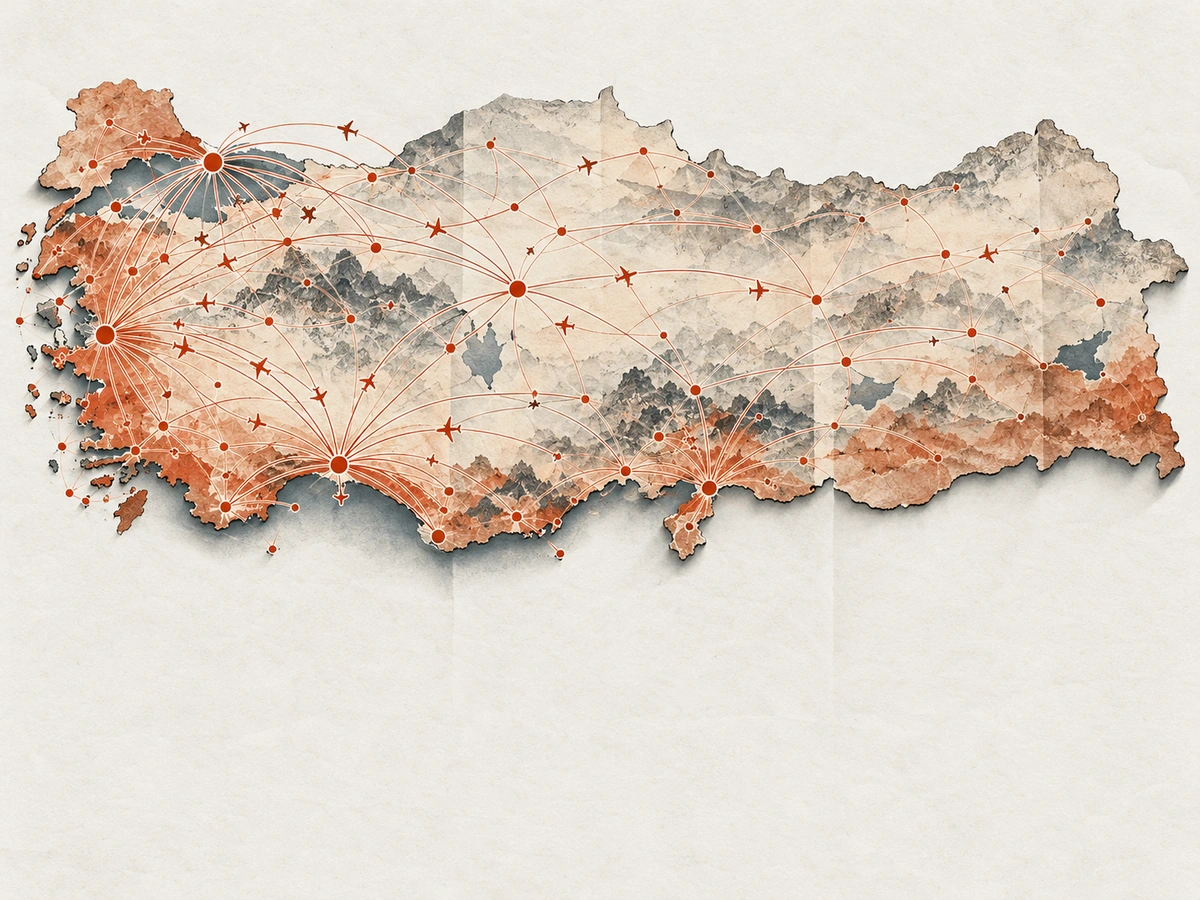
DHMİ reports that airports in Türkiye handled 193,156,231 passengers from January to September 2026, including direct transit, up 2.9% on the same period of 2025. Domestic passengers rose 6.7% to 81.7 million and international passengers 0.5% to 111.4 million. Istanbul Airport handled 64.5 million passengers and Antalya 30.1 million in the same nine months.
Every month, DHMİ publishes a count of passengers at Türkiye’s airports, and every month the headline number grows. The figures for January to September 2026 show 193,156,231 passengers, including direct transit, up 2.9% on the same period of 2025 [1]. The more useful story sits underneath. Domestic traffic grew 6.7%, while international traffic grew 0.5% [1]. For hotels, agencies and destinations that sell to foreign visitors, that gap matters more than the total.

What did DHMİ report?
DHMİ, the state airports authority, published the September and nine month statistics on 12 October 2026 [1]. In September alone, airports handled 25,603,265 passengers, up 3.4% [1]. Domestic passengers rose 5.9% to 10,083,933 and international passengers rose 2.0% to 15,510,913 [1]. September growth was therefore stronger than the nine month average for both segments.
Over the nine months, domestic passengers reached 81,709,700, up 6.7%, and international passengers 111,369,604, up 0.5% [1]. International traffic still makes up the larger share, about 58% of the total by my calculation. Aircraft movements reached 1,854,502 including overflights, of which 757,441 were domestic and 706,574 international landings and takeoffs, and domestic aircraft traffic rose 1.1% [1]. Cargo, mail and baggage traffic grew 2.4% to 4,124,819 tonnes [1]. Of that, 3,373,040 tonnes were international, up 1.7%, and 751,779 tonnes domestic, up 5.6% [1]. In September alone, aircraft traffic including overflights reached 235,026 and cargo 529,850 tonnes [1].
Where Türkiye's air passengers went, January to September 2026
Unit: million passengers, domestic and international combined, including transit as counted by DHMİ.
| Measure | September 2026 | January to September 2026 |
|---|---|---|
| Total passengers | 25,603,265, up 3.4% | 193,156,231, up 2.9% |
| Domestic | 10,083,933, up 5.9% | 81,709,700, up 6.7% |
| International | 15,510,913, up 2.0% | 111,369,604, up 0.5% |
| Istanbul Airport | 7,853,904 | 64,502,869 |
| Sabiha Gökçen | 4,792,227 | 37,948,837 |
| Tourism centre airports | Not in source | 49,630,922 |
| Cargo, tonnes | Not in source | 4,124,819, up 2.4% |
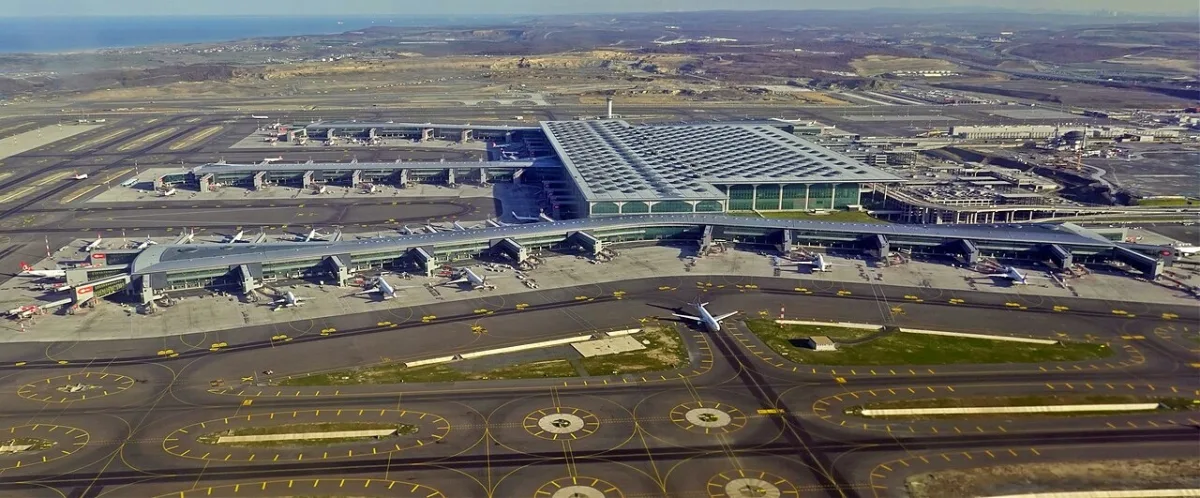
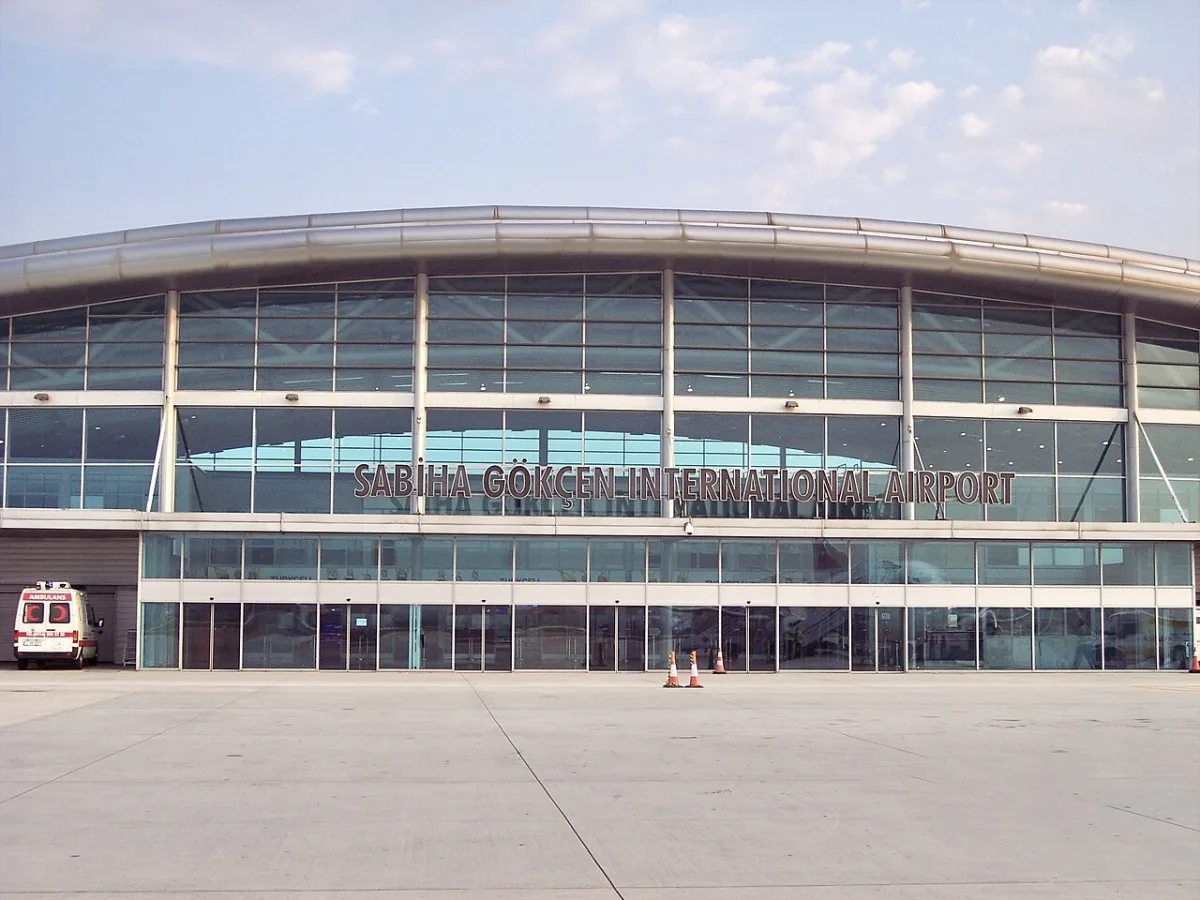
The airport detail shows where traffic concentrates. Istanbul Airport handled 64,502,869 passengers, of which 50,937,147 were international and 13,565,722 domestic [1]. Sabiha Gökçen handled 37,948,837, with 20,483,005 international and 17,465,832 domestic passengers [1]. Together, the two Istanbul airports handled about 53% of all passengers in Türkiye, by my calculation from DHMİ data.
September figures show the same pattern at airport level. Istanbul Airport handled 7,853,904 passengers in the month, of which 6,222,834 were international, while Sabiha Gökçen handled 4,792,227, of which 2,588,317 were international [1]. In September, Istanbul Airport recorded 49,066 aircraft movements and Sabiha Gökçen 26,551 [1]. Over the nine months, Istanbul Airport recorded 414,553 aircraft movements and Sabiha Gökçen 215,384 [1]. Istanbul Atatürk, which serves general aviation, recorded 20,023 movements [1].
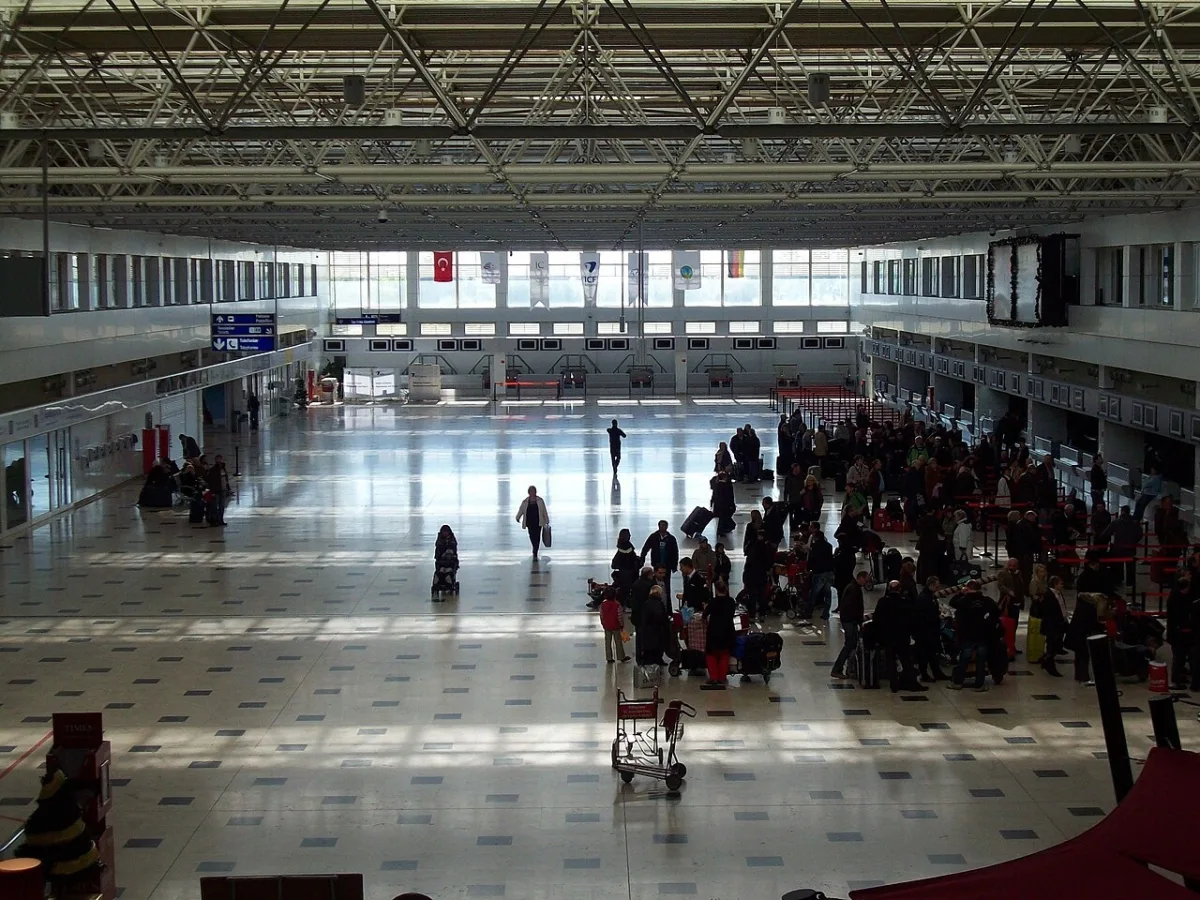
DHMİ also groups tourism centre airports. These handled 49,630,922 passengers in the nine months, of which 33,308,903 were international and 16,322,019 domestic, so about two thirds of their traffic was international by my calculation [1]. Antalya led with 30,144,861, followed by İzmir with 10,266,205, Dalaman with 4,571,445, Bodrum with 3,918,114 and Gazipaşa Alanya with 730,297 [1]. The release does not give growth rates for each airport in the figures I reviewed, so I do not compare them with 2025.
Why does the gap between domestic and international matter?
DHMİ does not give reasons for the slower international growth, and I will not supply any. The numbers alone are clear. Domestic traffic grew more than ten times as fast as international traffic, even though international traffic is larger [1]. By my calculation from the reported rates, domestic and international traffic together added about 5.7 million passengers, of which about 5.1 million were domestic. In other words, close to nine in ten additional passengers this year flew within Türkiye.
Airport passengers are not tourists. A foreign visitor who flies into Istanbul and on to Antalya appears several times in airport counts, and residents travelling abroad appear too. For visitor numbers, the relevant source is the ministry’s border statistics. Those showed 34,826,677 foreign visitors from January to August 2026, down 1.84%, and 6,963,065 in August, almost flat at minus 0.03% [3].
The two series do not contradict each other. International airport traffic grew a little while foreign visitor arrivals fell a little, and both are close to flat [1][3]. TÜRSAB, compiling ministry data, shows that Istanbul grew 0.8% in foreign visitors from January to August while Antalya fell 6.1% [8]. That pattern matches the airport split, where Istanbul’s hubs carry most international traffic, but the sources measure different things.

How does Türkiye compare with Europe and the world?
European data place Türkiye among the stronger markets. ACI EUROPE reported that passenger traffic at Türkiye’s airports grew 4.4% in August 2026, while France fell 1.7% and Germany 0.2% [4]. Istanbul Airport was Europe’s busiest in August with 8.6 million passengers, and Sabiha Gökçen grew 9.5% [4]. Ankara Esenboğa grew 13.3% in the same month [4].
Globally, ACI World ranked Istanbul Airport eighth in 2025 with 84.4 million passengers, up 5.5% [5]. ACI World also reported that global airport traffic grew only 0.6% in the first half of 2026 [9]. Against that background, Türkiye’s 2.9% growth over nine months is above the global rate [1][9]. IATA’s August data show Middle East carriers down 14.6%, which puts hubs outside the Gulf in a different position [7].
The main hub carrier’s figures add context. Turkish Airlines, consolidated with AJet, carried 73 million passengers from January to September 2026, up 5.2%, with a load factor of 85% [6]. On 18 September 2026, Istanbul Airport opened its first east and west runway, its sixth in total [2]. DHMİ says it will shorten taxi and holding times for domestic and eastbound flights [2].
What does it mean for the sector?
For hotels, airport traffic is an early indicator, not a forecast of room nights. For coastal hotels, the Antalya figure sits alongside the ministry’s visitor data, which showed Antalya down 6.1% in foreign visitors through August [8]. City hotels in Istanbul face a different picture, with steady visitor growth and the busiest airport in Europe [4][8]. The visitor economy depends on how many passengers stay, not how many pass through.
For agencies and DMCs, domestic traffic is the stronger segment. Domestic passengers grew 6.7%, and domestic aircraft movements grew 1.1%, which suggests more passengers per domestic flight [1]. Agencies that sell domestic packages, meetings or incentive trips within Türkiye can expect a busy domestic network. For agencies focused on inbound foreign groups, source markets say more than the national total.
For airlines and airports, the data confirm the role of the two Istanbul airports as the centre of the network. A runway that shortens taxi times at Istanbul Airport improves the product for transfer passengers and domestic flights alike [2]. Sabiha Gökçen, with a larger domestic share, serves a different mix [1]. Both are part of the capacity question for the coming years.
For congress and event organizers, the airport data support Istanbul’s access case. Over 50 million international passengers at one airport in nine months suggests deep connectivity for delegates [1]. Events in coastal cities depend more on seasonal schedules, so winter flight options matter for dates outside the summer. Seasonality in tourism shapes those schedules strongly in Antalya, Dalaman and Bodrum.
For destination management organizations, the gap between airport passengers and visitor arrivals is a reason to publish both. A city that reports only airport traffic can overstate its visitor growth, and one that reports only arrivals can miss transfer and domestic flows. Clear destination data helps planners read the difference. Which measure fits depends on each destination’s destination strategy.

What is my reading of the figures?
My reading is that Türkiye’s airport system is growing faster at home than abroad in 2026. The international segment grew only 0.5% in nine months, against 6.7% for domestic traffic [1]. Domestic travel is doing more of the work. That is a healthy sign for the network, but it does not tell foreign market sellers that their segment is growing.
My second point is about concentration. More than half of all passengers use the two Istanbul airports, and Antalya handles most of the rest of the international leisure flow [1]. A system built around one hub city and one coastal gateway is efficient, but it ties national results to a few airports. Smaller tourism centres such as Gazipaşa, with 730,297 passengers, depend heavily on seasonal flights [1].
My third point is about measurement discipline. The DHMİ release counts passengers including direct transit, and DHMİ itself does not state causes [1]. Visitor numbers from the ministry show a small fall through August [3]. In my reading, the two do not combine into a single story about tourism, because each answers a different question. A hotel group, for example, works with visitor arrivals and room nights, while an airline or airport operator works with passenger counts.
What does this commentary cover?
What to watch next
| Indicator | What it shows | When to publish |
|---|---|---|
| DHMİ October and full year figures | Whether international growth picks up after the summer | November 2026 and January 2027 |
| Ministry foreign arrivals, September | Whether visitor numbers follow airport traffic | Late October 2026 |
| Antalya winter traffic | How much of the coast keeps flying after October | Monthly |
| Istanbul Airport runway use | Taxi times and capacity after the new runway | Monthly |
| ACI EUROPE ranking | Istanbul against other European hubs | Monthly |
| Hotel occupancy in Istanbul and Antalya | Whether passengers convert to room nights | Monthly |
The first indicator is international growth in the last quarter. September international traffic grew 2.0%, above the nine month rate of 0.5% [1]. If that pace holds through December, the full year international figure will end higher than the nine month figure suggests. The second indicator is the ministry’s September visitor count, which will show whether visitor numbers follow airport traffic [3].
The third indicator is the new runway at Istanbul Airport. DHMİ expects it to reduce taxi and holding times [2]. Its effect will show in punctuality and in airline schedules for the next seasons. DHMİ’s monthly airport tables will show whether eastbound and domestic traffic at Istanbul Airport grows faster after the opening. The fourth is Antalya in winter, where airport traffic falls sharply and the city depends on fewer routes.
Analysis result
DHMİ counted 193,156,231 airport passengers in Türkiye from January to September 2026, up 2.9%, including direct transit [1]. Domestic traffic grew 6.7% and international traffic 0.5% [1]. Istanbul Airport handled 64.5 million passengers and Sabiha Gökçen 37.9 million, together about 53% of the total by my calculation [1]. Foreign visitor numbers through August were slightly down, which is a different measure from airport traffic [3]. For the sector, the figures show a busy network with domestic growth leading, and airport, visitor and hotel data that measure different things.
Do your plans for Türkiye use airport passengers, visitor arrivals or room nights as the main measure?
Frequently asked questions
How many airport passengers did Türkiye have in the first nine months of 2026? DHMİ counted 193,156,231 passengers from January to September 2026, including direct transit, up 2.9% [1].
Did domestic or international traffic grow faster? Domestic traffic grew 6.7% to 81,709,700 passengers, while international traffic grew 0.5% to 111,369,604 [1].
How busy was Istanbul Airport? Istanbul Airport handled 64,502,869 passengers in the nine months, of which 50,937,147 were international [1].
Are airport passengers the same as tourist arrivals? No. Airport passengers count each departure and arrival, including residents and transfers. Foreign visitor numbers come from the ministry’s border statistics [1][3].
What changed at Istanbul Airport in September? Its first east and west runway opened on 18 September 2026, bringing the total to six runways, according to DHMİ [2].
Sources
- DHMİ, Havayolunda 9 ayda 193,1 milyon yolcu, 12 October 2026
- DHMİ, İstanbul Havalimanı’nın ilk doğu batı pisti yarın açılıyor, 17 September 2026
- CNBC e, Kültür ve Turizm Bakanlığı duyurdu: Türkiye’ye gelen yabancı ziyaretçi sayısı ağustosta azaldı, September 2026
- ACI EUROPE, Passenger traffic strengthens over summer despite geopolitical and economic headwinds, 30 September 2026
- ACI World, World’s busiest airports 2025 ranking, 15 July 2026
- Airfreight News, Turkish Airlines carried 9 million passengers in September 2026, October 2026
- IATA, Air passenger demand slips in August, Press Release No 46, 30 September 2026
- TÜRSAB, Visitor statistics bulletin, January to August 2026
- ACI World, Global airport passenger traffic reaches record 9.8 billion in 2025, 23 September 2026