Contents
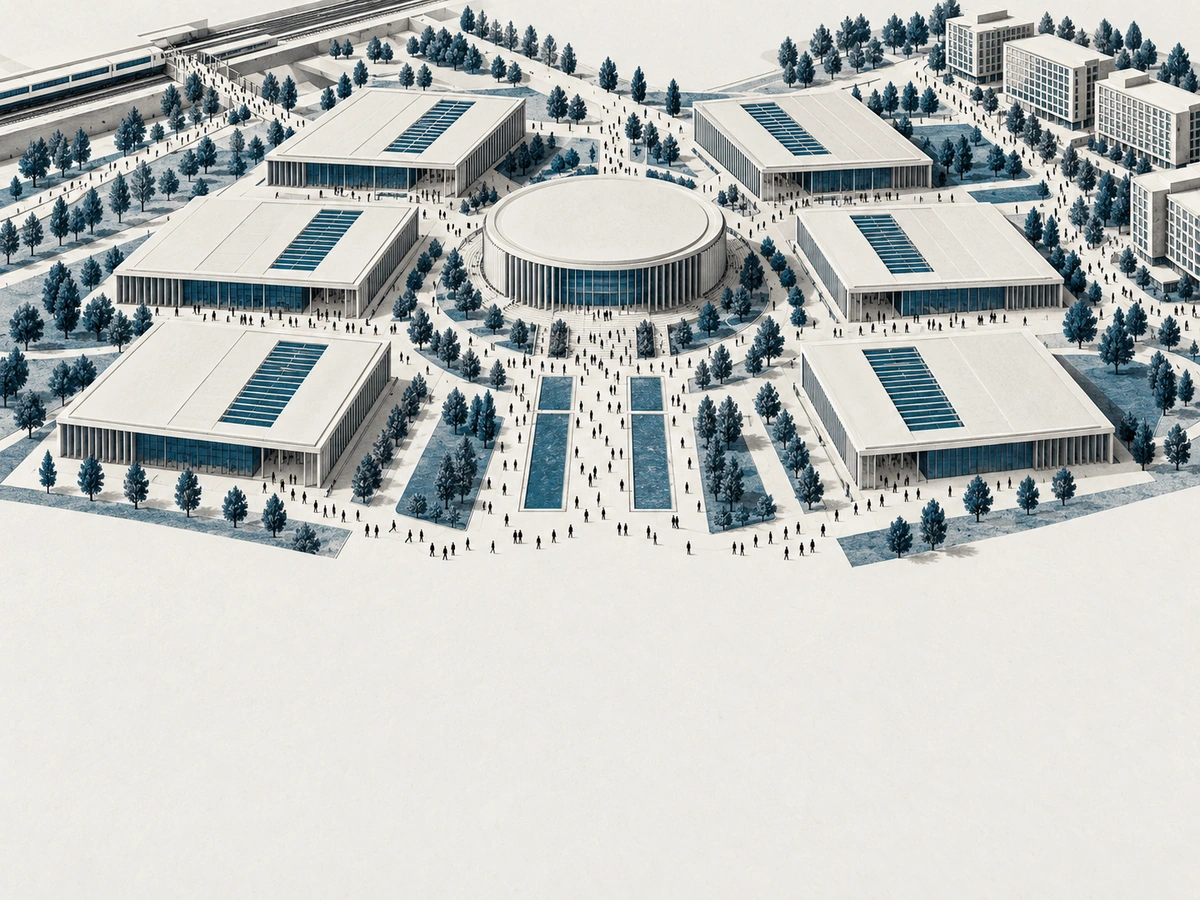
ESC Congress 2026, held in Munich from 28 to 31 August, welcomed 33,800 healthcare professionals from 170 countries, a record according to the European Society of Cardiology. The congress used the whole ICM and six exhibition halls. The next edition moves to Milan from 27 to 30 August 2027.
On the last weekend of August, the trains to Messestadt in eastern Munich carried a crowd that was unusual even for a trade fair city. Doctors, nurses, researchers and industry staff filled the ICM and six exhibition halls for four days of cardiology. The European Society of Cardiology later called it the largest congress in its history [1]. For anyone who plans, sells or hosts medical meetings, the numbers deserve a closer look.

What happened at ESC Congress 2026?
ESC Congress 2026 took place in Munich from 28 to 31 August. The ESC reported 33,800 healthcare professionals from 170 countries, which it described as a record [1]. The programme had more than 1,750 sessions, including 12 Hot Line sessions and 30 Late Breaking Science sessions [1]. The society says it received almost 700 trial submissions from 125 countries and saw more than 180 simultaneous publications [1].
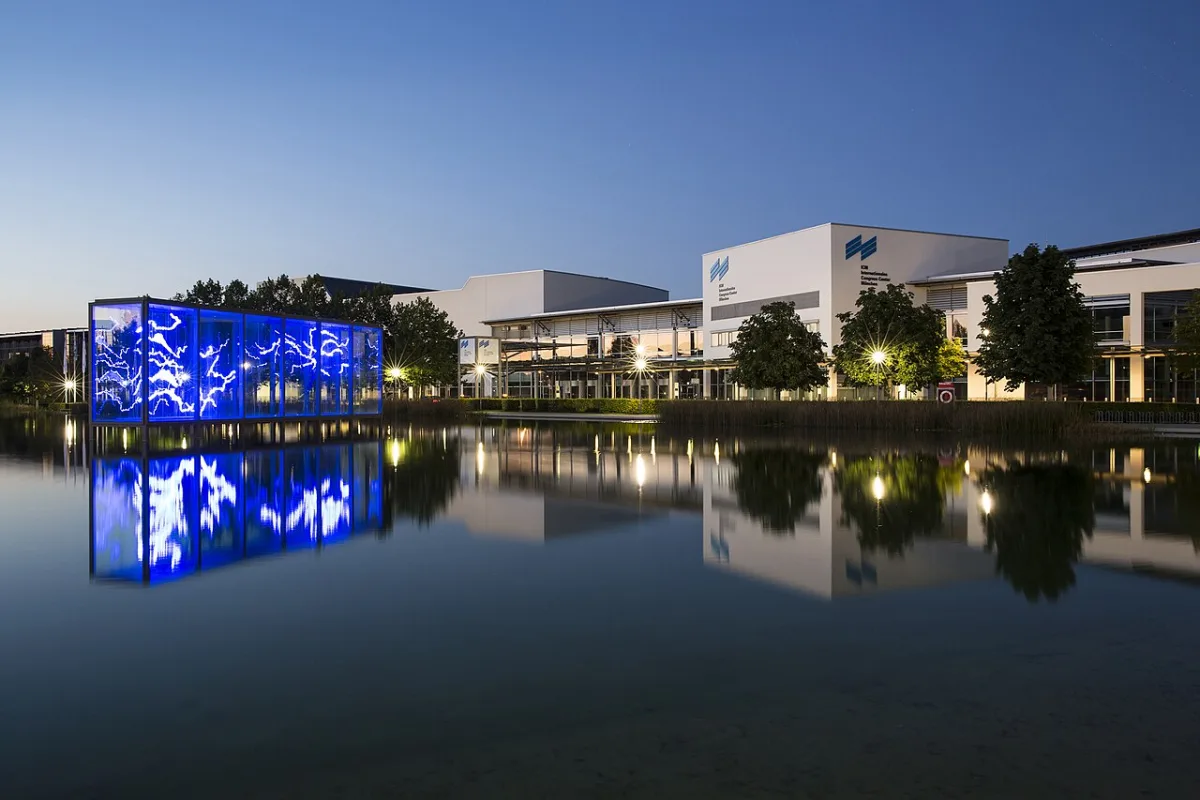
The venue side comes from Messe München, the operator of the site. It says the congress used the entire ICM, six exhibition halls and additional indoor and outdoor areas, fitted with lecture theatres, live stages and TV studios [2]. Gerd Markwica, Head of Guest Events at Messe München, said a congress of this kind places the highest demands on infrastructure, technology and flexibility [2]. Nata Nambatingué, Congress and Event Director of the ESC, said the record showed strong interest in face to face exchange within the cardiology community [2].
The ESC also released three new Clinical Practice Guidelines and the Fifth Universal Definition of Myocardial Infarction at the congress [1]. More than 230 journalists attended onsite and 120 followed virtually, and the spotlight theme was artificial intelligence [1]. All of these are organizer figures. No independent audit of attendance was published. The ESC counts healthcare professionals, so exhibitors, industry staff and media may come on top of the headline number, but no total for all badge holders was given [1].
| Measure | Madrid 2025 | Munich 2026 |
|---|---|---|
| Healthcare professionals | Over 33,300 | 33,800 |
| Countries | 169 | 170 |
| Sessions | Over 1,100 | More than 1,750 |
| Hot Line sessions | 10 | 12 |
| Late Breaking Science sessions | 28 | 30 |
| Simultaneous publications | Over 190 | More than 180 |
| Clinical Practice Guidelines released | Five | Three, plus the Fifth Universal Definition of Myocardial Infarction |
The comparison with Madrid helps to size the change. In 2025, the ESC reported over 33,300 participants from 169 nations and more than 1,100 sessions [3]. Munich therefore added roughly 500 participants and one country, while the session count grew by more than half [1][3]. My reading is that the record lies more in the size of the programme than in the size of the crowd.
What does it mean for the sector?
For hotels, a congress of this size is a fixed peak in the calendar, and the main question is how much of it shows up in the data. The Bavarian statistics office reported 4.6 million guests and 12.2 million overnight stays across Bavaria in August 2026, up 0.6% and 0.4% on the previous year [8]. Hotels in the narrow sense recorded slightly fewer arrivals and nights than in August 2025 [8]. At national level, Destatis counted 58.7 million overnight stays in August, 1.1% below the previous year, with foreign guest nights up 1.3% [7]. These figures cover a whole state and a whole country, so they cannot isolate the effect of one congress. From January to August, Bavaria still counted 28.2 million guests and 70.7 million nights, so the year as a whole was growing [8].
That limit matters for any claim about economic impact. Messe München says the congress generated added value for hotels, restaurants, retail and taxis, but it gives no figure [2]. I have not found a published estimate of delegate spending for Munich 2026. The honest position is that the effect was real but unmeasured, which is a common gap described in economic impact of events.
For agencies and DMCs, a congress with 170 countries means many small national groups rather than a few large ones. Industry sponsored delegates often travel through agencies, while independent researchers book on their own. The work sits in transfers, hotel allotments close to the venue and social programmes for small groups. The PCO and the official housing bureau usually control the main room blocks, so smaller agencies compete for what is left.

For airlines, the effect is concentrated on arrival and departure days at the end of August. That timing overlaps with the end of the summer holiday season in much of Europe. Munich has long experience of this pattern, since the ESC says the city has hosted the congress four times since 2004 [4]. What does not change is the basic rhythm: one peak, four days, then a fast return to normal.
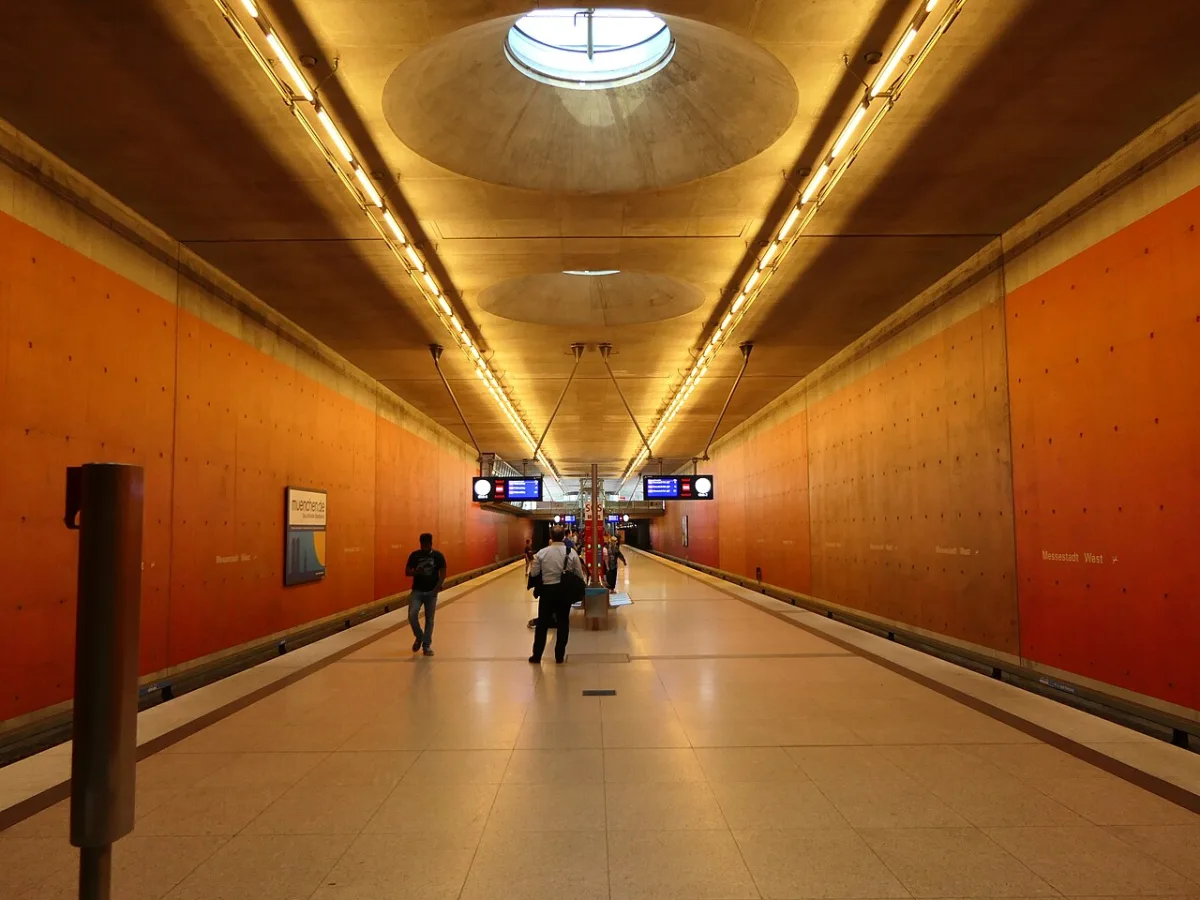
Rail and local transport are part of the same picture. The Munich site sits on an underground line, which moves most delegates without coaches, and the ESC names transport as one of its host criteria [4]. For a destination, that is a quiet advantage that rarely appears in a press release. It also lowers the share of the congress footprint that comes from ground transfers, a point covered in sustainable events.
For congress organizers and destination management, the selection rules are the most useful part of the story. When the ESC announced its future locations in 2024, it said cities were assessed against 12 tangible criteria [4]. These include the venue, hotel capacity, transport, sustainability, the involvement of local authorities and the fiscal regime [4]. A convention bureau that wants a congress of this size has to answer each of those points with evidence, not with a brochure.
What changes for the sector is mainly the bar. A congress that grows its programme by more than half in one year needs more meeting rooms, more audiovisual crews and more space for exhibitors and media [1][2]. Only a few European venues can combine a congress centre with several halls at once, as Munich did [2]. What does not change is the core business model: delegates still need beds, flights, transfers and food for four days. The new element is that the size of the programme, not only the size of the crowd, now shapes the venue choice.
What is my reading of the Munich record?
My reading is that the record confirms a trend rather than a jump. Attendance has grown by about 1.5% between Madrid and Munich, which is steady growth for a congress that was already very large [1][3]. The sharper rise in sessions suggests that the ESC is adding content to keep a growing audience in the halls. For a host venue, more parallel sessions mean more rooms, more technical staff and more complex flows between buildings.
My second point concerns hotels. The most useful public evidence on congress weeks often comes from paid benchmark data, and the 2027 host shows why. CoStar reported that Milan hotels reached 84.2% occupancy and an average daily rate of €310.04 in September 2026, the second highest on record after the Winter Olympics month of February 2026 [6]. Single event nights went higher, with 95.3% occupancy on the Saturday of the Italian Grand Prix [6].
Milan in September 2026: how high the peak nights went
Unit: hotel occupancy, preliminary data. Light bar: month average. Solid bars: single nights.
| Measure | Month | Peak night |
|---|---|---|
| Occupancy | 84.2% (+1.6% year on year) | 95.3% (Grand Prix, 5 September) |
| Average daily rate | €310.04 (+7.2%) | €444.75 (Grand Prix, 5 September) |
| RevPAR | €261.17 (+8.9%) | €424.07 (Grand Prix, 5 September) |
These September figures do not describe late August, when the congress will take place. They do show that Milan already runs close to full on major event nights and that rate growth has been strong [6]. My reading is that housing for ESC 2027 will need early, firm allotments, with clear release dates. Delegates who book late may find rates closer to event night levels than to a normal summer week, which makes room block attrition clauses more important for both sides.
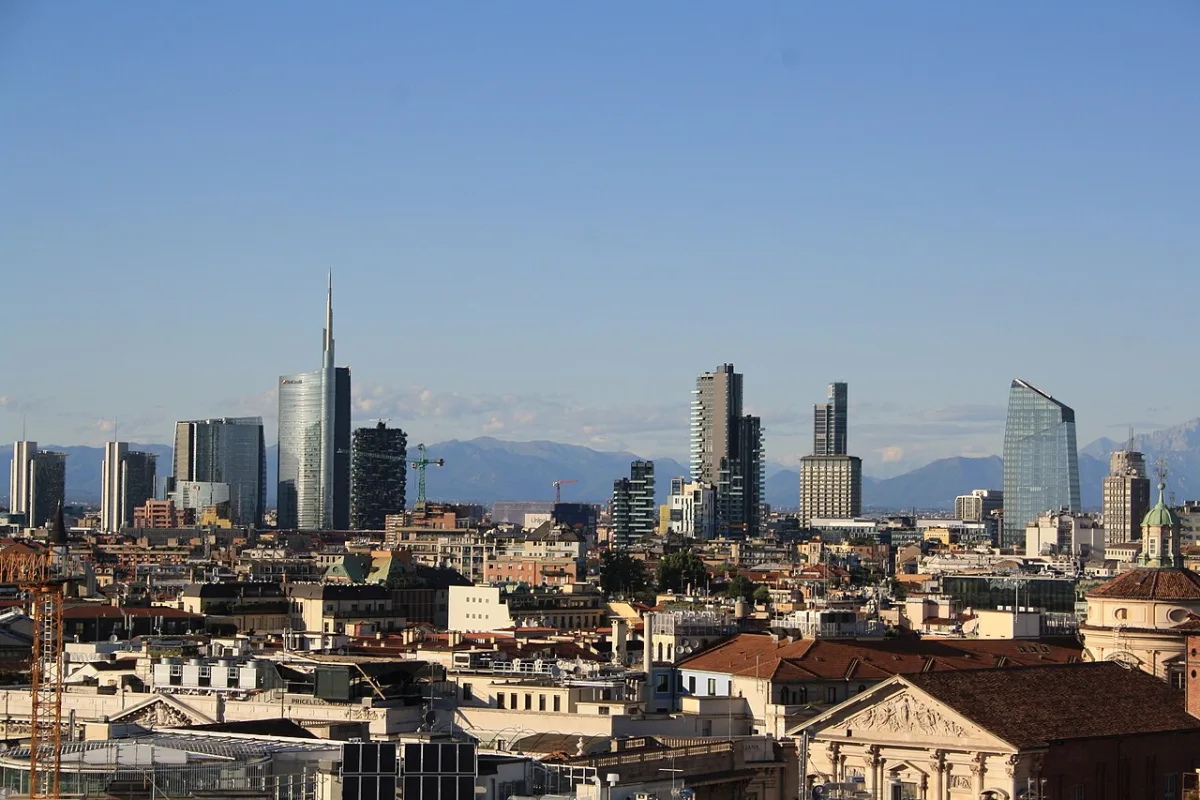
My third point is about the choice of Milan itself. The ESC says Madrid and Milan are both first time hosts in the current cycle [4]. That spreads the congress across new cities, but it also means each new host learns at full scale. The ESC event page confirms the dates and city and gives prevention as the spotlight theme, but it does not name the venue [5]. I have not used any unofficial venue name.
My fourth point is about data. Measuring a congress at city level depends on delegate origin, length of stay and hotel use, and most of that sits with the organizer and the housing bureau. Public statistics at state level, as the Bavarian figures show, are too broad to capture a four day peak [8]. My reading is that shared data written into the contract would close that gap, as suggested in event impact assessment. Without it, the economic value of a record stays a sentence rather than a number.

What does this commentary cover?
What to watch next
| Indicator | What it shows | When to publish |
|---|---|---|
| Registration and Call for Science | Early demand and housing release | Mid December 2026 |
| Abstract deadline | How many research teams plan to travel | 1 March 2027 |
| Official housing allotment | Room blocks, rates and release dates | From registration opening |
| Milan August hotel data | Occupancy and rate during the congress week | About six weeks after the event |
| ESC final attendance report | Participants and countries against Munich | Early September 2027 |
The first date to note is mid December 2026, when registration and the Call for Science open [5]. The abstract deadline of 1 March 2027 is a good early signal of how many research teams plan to attend, since many presenters need to travel [5]. Hotel data for Milan in August 2027 will show how the city absorbed the peak. The ESC attendance release after the congress will then show whether a new city can match or pass Munich. Destatis has also said that a detailed report on August 2026 would follow at the end of October, which may give more detail by region and accommodation type [7].
Analysis result
ESC Congress 2026 set a new attendance record in Munich, with 33,800 healthcare professionals from 170 countries and more than 1,750 sessions [1]. The growth over Madrid is modest in people and large in programme [1][3]. Regional and national statistics cannot show the hotel effect of one congress, and no spending estimate was published [2][7][8]. Milan now has ten months to prepare a first edition, in a hotel market that already runs near full on event nights [5][6]. The test for any host is whether it can meet the twelve criteria at full scale.
If your city bid for a congress of 33,800 delegates, which of the twelve criteria would be hardest to meet?
Frequently asked questions
How many people attended ESC Congress 2026? The European Society of Cardiology reported 33,800 healthcare professionals from 170 countries, its highest attendance to date [1]. Messe München described the figure as more than 33,800 participants [2].
Where and when is ESC Congress 2027? ESC Congress 2027 will take place in Milan from 27 to 30 August 2027, the first time the congress goes to the city [1][5]. Registration and the Call for Science open in mid December, and the abstract deadline is 1 March 2027 [5].
How does Munich 2026 compare with Madrid 2025? Madrid welcomed over 33,300 participants from 169 nations in 2025 [3]. Munich added about 500 participants and one country, while the number of sessions rose from over 1,100 to more than 1,750 [1][3].
How does the ESC choose host cities? The ESC says it assesses candidate cities against 12 tangible criteria, including the venue, hotel capacity, transport, sustainability, local authority involvement and the fiscal regime [4].
Did the congress lift Bavarian hotel figures in August? Bavaria reported 0.6% more guests and 0.4% more overnight stays in August 2026, while hotels alone were slightly below the previous year [8]. No city level figure for Munich in August was available at the time of writing.
Sources
- European Society of Cardiology, Record breaking ESC Congress 2026 puts new life saving cardiovascular science in the spotlight, 2 September 2026
- Messe München, Record attendance at cardiology congress in Munich, 1 September 2026
- European Society of Cardiology, Record breaking ESC Congress in Madrid welcomed over 33,000 participants, 3 September 2025
- European Society of Cardiology, Future ESC Congress locations announced, 12 June 2024
- European Society of Cardiology, ESC Congress 2027 Milan, event page, accessed October 2026
- CoStar, Milan hotel room rates approached all time high, 14 October 2026
- Destatis, Federal Statistical Office of Germany, press release on overnight stays in August 2026, 9 October 2026
- Bayerisches Landesamt für Statistik, Pressemitteilung zum Tourismus, August 2026, 9 October 2026