Contents
In September 2026, IFA Berlin reported 240,000 visitors, InnoTrans about 175,000 trade visitors and Automechanika Frankfurt over 112,000 trade visitors, all organizer figures. Hotel RevPAR in Germany rose 8.7% on a year earlier, which the EXTENDAM and MKG barometer links to these events.
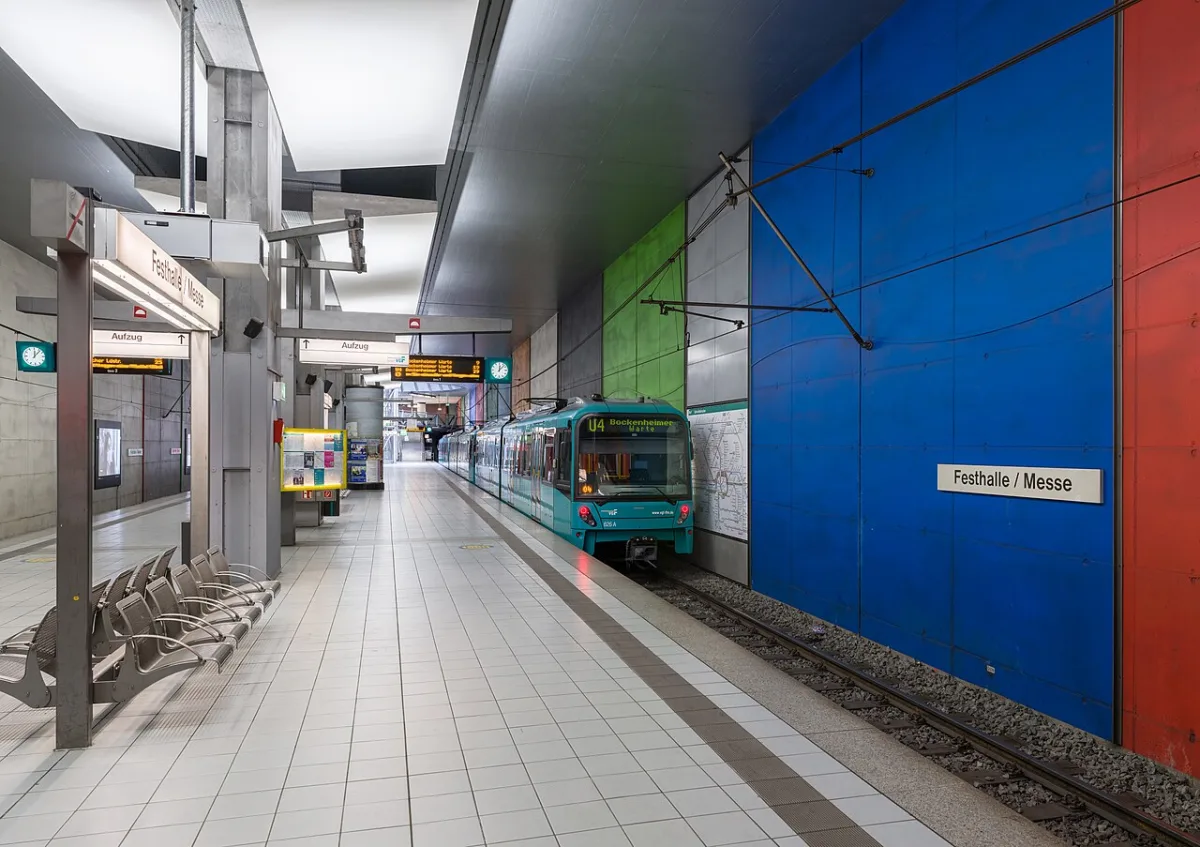
In the second week of September, the underground platform under the Frankfurt fair grounds was busy from early morning, with workshop owners, parts buyers and suppliers heading to Automechanika. In Berlin, the halls under the radio tower were full twice in the same month, first for IFA and then for InnoTrans. Each organizer later reported more visitors than at its previous edition [1][4][5]. The more interesting question is what those numbers mean for the hotels, agencies and cities around them.

What happened at the September fairs?
Automechanika Frankfurt ran for five days and closed with over 112,000 trade visitors from 173 countries and 4,400 exhibitors from 80 countries, according to Messe Frankfurt [1]. The organizer says 70% of trade visitors came from abroad and 90% of exhibitors intend to return in two years [1]. The next edition is set for 5 to 9 September 2028 [1]. The 2024 edition had 104,750 visitors, the count certified by FKM and the base Messe Frankfurt uses for its comparison [1][2]. A note on measures: the 108,000 visitors in the 2024 closing release was the organizer’s own figure, while FKM counts audited entries to the grounds, so only 104,750 is used here [2][3].
InnoTrans, the rail and transport technology fair at Messe Berlin, reported about 175,000 trade visitors from more than 120 countries [4]. It had 3,190 exhibitors from 59 countries, including 750 first time exhibitors, across 42 halls that were fully booked [4]. Dirk Hoffmann, Chief Operating Officer of Messe Berlin, said the fair added more than 5,000 trade visitors compared with 2024 [4]. Like Automechanika, InnoTrans is held every two years.
IFA Berlin, the consumer electronics and home appliance fair, reported 240,000 visitors from 155 countries and more than 2,000 exhibitors over five days [5]. Unlike the other two, IFA is open to the public, so its visitor count mixes trade and consumers [5]. The month ended with the Berlin Marathon on 27 September, which the organizer says drew more than 56,000 entrants from 162 nations [6]. IFA also says more than 5,200 members of the press, bloggers and social media publishers attended its press conferences [5]. All these attendance numbers are organizer figures.
Three September fairs, three different audiences
Unit: visitors as published by each organizer. IFA counts all visitors; InnoTrans and Automechanika count trade visitors. Light bar: previous edition, the FKM certified count, which Messe Frankfurt uses as its 2024 base.
The hotel side comes from industry data. The EXTENDAM and MKG barometer for September 2026 reports European hotel occupancy of 79.2%, an average rate of €151.6 and RevPAR of €120, up 7.5% on a year earlier [7]. Spain (+11.0%), Germany (+8.7%) and Belgium (+6.7%) showed the strongest RevPAR growth [7]. The barometer links the German result to large international events, naming Automechanika, IFA, InnoTrans and the Berlin Marathon [7]. It gives the same kind of explanation for Spain, where the Formula 1 Grand Prix in Madrid drew close to 353,000 spectators over three days [7]. In both countries, a handful of events lifted the national monthly figure.
What does it mean for the sector?
For hotels, September confirmed that the German fair calendar still sets the rate. An 8.7% RevPAR rise in one month, in a country where national overnight stays fell 1.1% in August, points to price and event mix rather than a broad rise in travel [7][9]. My reading is that hotels in Frankfurt and Berlin that priced the fair weeks early captured most of the gain. What does not change is the shape of the year: the peak follows the fair dates, and the weeks between still need leisure and corporate demand.
For agencies and DMCs, the international share matters most. Seven in ten Automechanika trade visitors came from abroad, and InnoTrans drew visitors from more than 120 countries [1][4]. That means group travel, exhibitor staff housing, stand build crews and incentive programmes for dealers and buyers. Agencies in markets that send many exhibitors, such as Türkiye, have a steady business in these weeks. AUMA lists Türkiye at 4.4% among exhibitor nations from abroad in 2025, level with the United States [8].
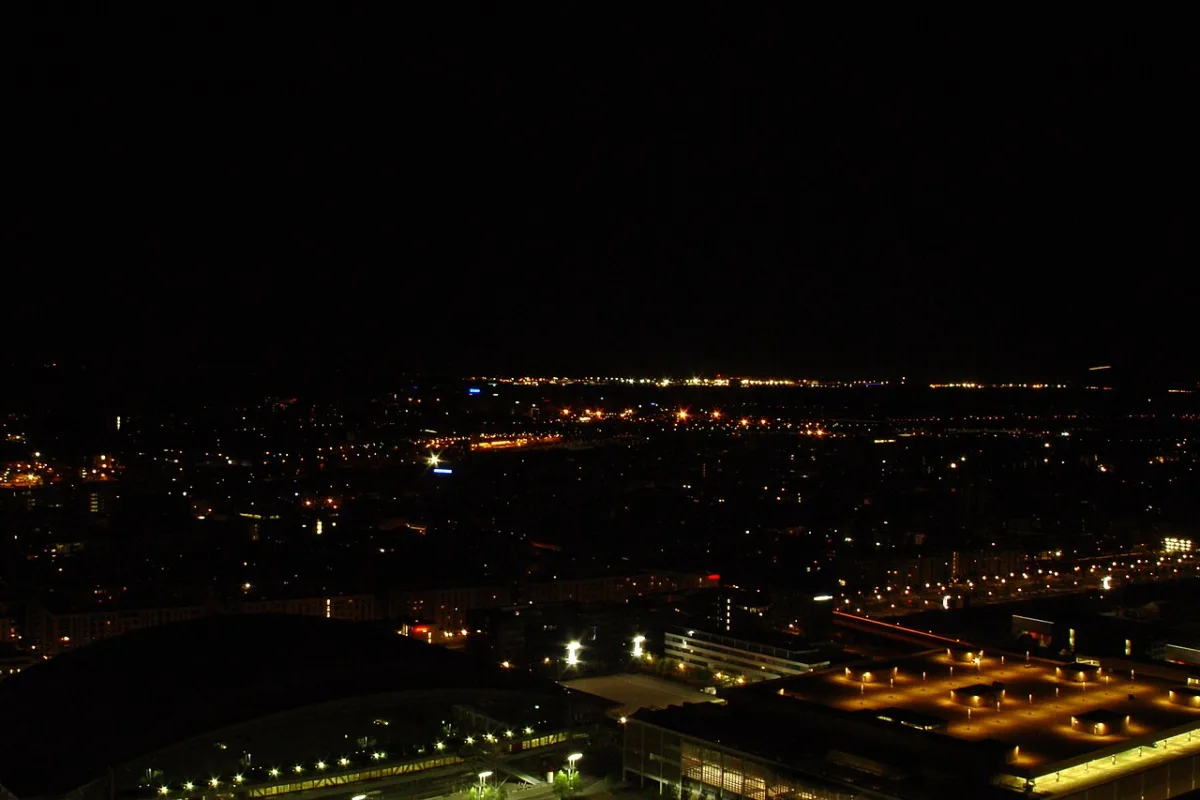

For airlines, the effect is a set of arrival peaks at Frankfurt and Berlin, timed to opening days and to the build days before them. In my experience, trade visitors at B2B fairs stay a short time, while exhibitors stay for the whole event and often for the build. Neither organizer published length of stay or travel mode, so the exact air share is unknown. What is clear is that both cities depend on international access to keep their fair business.
For congress and event organizers, the September numbers show how much attention the large fairs take in one month. Venue space, hotel blocks, stand builders and technical crews are booked by the fairs first. A smaller association congress that lands in the same week in Berlin or Frankfurt will face higher rates and fewer suppliers. Checking the fair calendar is part of basic room block planning. In practice, the safer choice for a mid sized congress is often the week between two fairs, when rates fall and venues have open dates.
For destination management, the main issue is measurement. Visitor counts, exhibitor counts and hotel RevPAR describe different things, and none of them alone shows the value of a fair to a city. The barometer gives national figures, and organizer reports give attendance, but neither shows nights or spending by fair visitors [1][7]. A city that wants to argue for its fair grounds needs its own destination data, collected with the organizers.
What changes is the content of the fairs more than their format. IFA, InnoTrans and Automechanika all put artificial intelligence and digital services at the centre of their 2026 programmes [1][4][5]. Automechanika added a new area on software defined vehicles and said it ran some 500 events over five days [1]. For the travel side, that means more stage programmes, more side meetings and more evening events, which in turn mean more demand for meeting rooms and restaurants near the grounds. The halls still sell space, but the supporting programme now decides how long people stay.
| Measure | Figure | Source type |
|---|---|---|
| Trade fairs in Germany, 2025 | 304 fairs, about 192,000 exhibitors, more than 12.7 million visitors | Industry association (AUMA) |
| Fairs planned in 2026 | 319, of which about 120 in the second half | Industry association (AUMA) |
| First quarter 2026 forecast | Exhibitors −2.3%, rented space −4.6%, visitors +0.9% | Industry association (AUMA) |
| Overnight stays, August 2026 | 58.7 million, 1.1% lower than August 2025 | Official statistics (Destatis) |
| Overnight stays of foreign guests, August 2026 | 9.9 million, up 1.3% | Official statistics (Destatis) |
| Overnight stays, January to August 2026 | 340.8 million, a record for the period | Official statistics (Destatis) |
What is my reading of the September results?
My reading is that September shows the strength of a few leading fairs inside a market that is cautious. AUMA reported a positive 2025, with about 192,000 exhibitors and more than 12.7 million visitors at 304 fairs [8]. Its forecast for the first quarter of 2026, however, showed fewer exhibitors (−2.3%) and less rented space (−4.6%), even as visitor numbers rose 0.9% [8]. Philip Harting, chair of AUMA, linked the weaker exhibitor numbers to the economic slowdown in Germany [8].
Large fairs with global reach can still grow in such a year, while smaller national fairs feel the pressure first. AUMA also notes that 66% of all exhibitors and over 33% of all visitors at German fairs in 2025 came from abroad, so the market rests on international demand [8]. That is a strength in a weak domestic economy, and a risk if travel costs rise. For hotels, it means the fair business depends on visa rules, flight capacity and exchange rates as much as on German industry.
My second point is about counting. Messe Frankfurt compares the 2026 result with 104,750 visitors in 2024, the figure certified by FKM, not with the 108,000 it announced when the 2024 fair closed [1][2][3]. FKM counts entries to the grounds under audited rules, at most one per person per day, and leaves out stand staff and press [2]. The over 112,000 for 2026 is still the organizer’s own figure, so a fully like for like comparison will need a certified count for 2026 as well. The case shows how much a growth claim depends on which count it rests on.
September RevPAR: Germany near the top of the European table
Unit: change in revenue per available room, September 2026 against September 2025. Light bar: European average.
My third point concerns hotel rates. The European RevPAR rise of 7.5% came mainly from price, with occupancy up 1.4 points and rates up 5.6% [7]. In Germany, the same barometer ranks the country second in Europe for RevPAR growth in the month [7]. Rates that rise faster than demand are good for hotel revenue, but they raise the cost of attending for exhibitors and visitors. If exhibitor budgets stay tight, as AUMA suggests, hotel pricing around fairs could become a topic in exhibitor surveys [8].
My fourth point is about the calendar. Automechanika and InnoTrans run every two years, so 2027 will not repeat this September in Frankfurt and Berlin [1][4]. IFA is annual and has already announced its next dates, 3 to 7 September 2027 [5]. A year on year comparison for September 2027 will therefore look weaker in Germany for reasons that have nothing to do with demand. The comparison carries that caveat, as described in seasonality in tourism.

What does this commentary cover?
What to watch next
| Indicator | What it shows | When to publish |
|---|---|---|
| Destatis September overnight stays | Whether the fair month lifted national stays | Next monthly release, expected November 2026 |
| City statistics for Berlin and Frankfurt | Event effect at city level rather than national level | Late 2026 |
| AUMA full year 2026 figures | Exhibitors and space after a weak first quarter | Spring 2027 |
| EXTENDAM and MKG October barometer | Whether rate growth held after the event peak | Mid November 2026 |
| Exhibitor rebooking for 2028 | Automechanika and InnoTrans are held every two years | During 2027 |
The next Destatis monthly release will show whether national overnight stays in September moved with hotel revenue [9]. City level statistics for Berlin and Frankfurt will give a closer view, but they arrive later. The AUMA figures for the full year 2026 will show whether the first quarter weakness spread to the autumn fairs. The October barometer will show how quickly rates returned to normal after the event peak.
For 2028, the return of Automechanika and InnoTrans will be the next real test of whether exhibitors follow visitors back to the halls [1][4]. Exhibitor rebooking during 2027 will be the first sign. AUMA also says German fair grounds plan to invest about €1 billion in modernisation by 2030, which shows the venues expect the model to last [8].
Analysis result
September 2026 brought record or rising attendance at Automechanika, InnoTrans and IFA, all according to their organizers [1][4][5]. German hotel RevPAR rose 8.7% in the month, a rise the industry barometer links to these events [7]. The wider fair market is more cautious, with fewer exhibitors and less space in the first quarter forecast [8]. National statistics cannot yet show the effect in nights [9]. The fair months still carry the German hotel year, but the margin for smaller events is getting thinner.
When your city reports a record fair, which number do you check first: visitors, exhibitors or hotel nights?
Frequently asked questions
Which German trade fairs took place in September 2026? Automechanika ran in Frankfurt from 8 to 12 September, while Berlin hosted IFA and InnoTrans in the same month [1][7]. Berlin also held its marathon on 27 September [6].
How many visitors did IFA 2026 have? IFA Management reported 240,000 visitors from 155 countries and more than 2,000 exhibitors over five days [5]. These are organizer figures, and because IFA is open to the public, the total includes both trade and consumer visitors [5].
Did German hotels benefit in September 2026? The EXTENDAM and MKG barometer reported German RevPAR up 8.7% on September 2025 and linked the rise to large international events, including Automechanika, IFA and InnoTrans [7].
Is the German trade fair market growing? In 2025 it grew slightly, with about 192,000 exhibitors and more than 12.7 million visitors at 304 fairs [8]. For the first quarter of 2026, AUMA forecast fewer exhibitors (−2.3%) and less rented space (−4.6%), while visitor numbers rose 0.9% [8].
Why do visitor figures differ between reports? Organizers and auditors count in different ways. For Automechanika 2024, Messe Frankfurt’s closing release gave 108,000 visitors, while FKM, which audits German fair statistics, certified 104,750 [2][3]. Messe Frankfurt uses the certified 104,750 as its 2024 comparison figure, and so does this commentary [1][2].
Sources
- Messe Frankfurt, Automechanika Frankfurt 2026: more exhibitors and visitors, final report, September 2026
- FKM, Society for the Voluntary Control of Fair and Exhibition Statistics, Certified trade fair data 2024 (Zertifizierte Messedaten, Bericht 2024), March 2025
- Messe Frankfurt, Automechanika Frankfurt 2024 final report, 14 September 2024
- Messe Berlin, Preliminary conclusion: InnoTrans 2026, September 2026
- IFA Management, IFA 2026 reports record breaking results, 8 September 2026
- SCC Events, Outstanding performances at the BMW Berlin Marathon 2026, 27 September 2026
- EXTENDAM and MKG Consulting, Baromètre de l’hôtellerie, October 2026, 15 October 2026
- AUMA, Association of the German Trade Fair Industry, press release on 2025 results and first quarter 2026, 4 June 2026
- Destatis, Federal Statistical Office of Germany, press release on overnight stays in August 2026, 9 October 2026